









What To Do For Burning Oil Smells
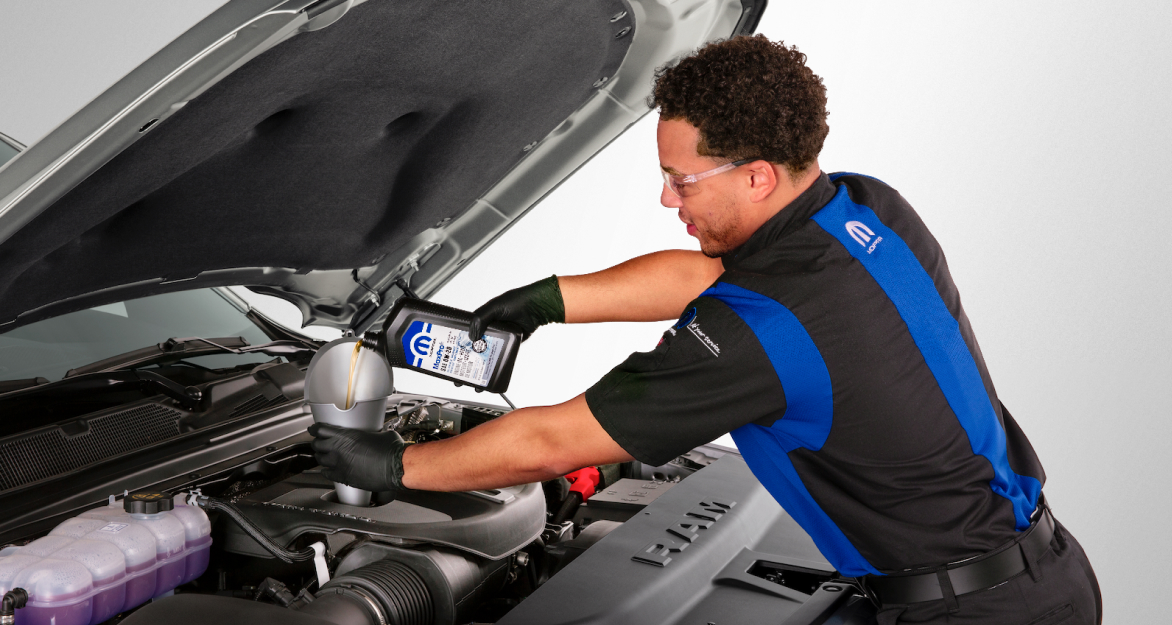
Photo Credit: Ram – Mopar
If your car smells like burning oil, it is typically caused by motor oil leaking onto hot engine components like the exhaust manifold, or from an engine that is internally burning oil due to worn components. When oil escapes its sealed environment and contacts surfaces that reach hundreds of degrees, it vaporizes into a thick, acrid scent that is easily pulled into your vehicle’s cabin through the ventilation system. Addressing this issue immediately is crucial to prevent severe engine damage, potential fire hazards, and costly repairs down the road.
Common Causes of a Burning Oil Smell
There are several common causes of this distinct odor, ranging from minor maintenance oversights to serious mechanical failures. The most frequent culprit is a leaking valve cover gasket, which degrades over time and allows oil to drip directly onto the hot exhaust system. Other common causes include a loose or improperly installed oil filter, a damaged oil pan gasket, worn crankshaft seals, or even a simple spill that occurred during a recent oil top-off or oil change.
How to Identify the Source of the Smell
To identify the source of the smell, start by checking your oil dipstick to see if your fluid levels are dropping rapidly, which confirms an active leak or consumption issue. Next, safely park the vehicle on a level surface, let the engine cool completely, and look underneath the car for dark puddles or active drips. Pop the hood and inspect the engine bay with a flashlight, looking for dark, shiny wet spots around the top of the engine, smoke rising from the exhaust manifold, or residue around the oil cap and filter.
Potential Risks of Ignoring the Smell
Ignoring the smell of burning oil carries significant risks that can compromise both your wallet and your safety. Over time, a continuous oil leak can deplete your engine’s lubrication, leading to friction, extreme overheating, and catastrophic engine failure that requires a complete replacement. Furthermore, because motor oil is highly flammable, allowing it to continuously drip onto a red-hot exhaust pipe creates a very real risk of an under-hood engine fire while you are driving.
Essential Maintenance Tips
Preventative maintenance is the best way to keep your vehicle running smoothly and avoid these unpleasant odors entirely. Consistently checking your oil levels at least once a month allows you to catch minor leaks before they turn into major headaches. Additionally, always follow your manufacturer’s recommended oil change intervals, ensure high-quality gaskets and filters are used during service, and never ignore minor stains on your driveway.
When to See a Mechanic
You should see a mechanic immediately if the burning oil smell is accompanied by smoke coming from under the hood, a sudden drop on your oil pressure gauge, or the illumination of your check engine or oil warning lights. Even if no lights appear, a persistent odor that lasts for more than a day or two warrants a professional inspection. For drivers experiencing this issue, Southern Chrysler Dodge Jeep Ram Newport News service center diagnosed by certified technicians will ensure the root cause is fixed accurately and safely.
Frequently Asked Questions
Is it safe to drive my car if it smells like burning oil? It is not recommended. While a tiny spill from a recent top-off might burn off safely in a few miles, a persistent smell indicates an active leak. Driving with a leak poses a fire risk and can cause severe engine damage if the oil level drops too low.
Can a dirty cabin air filter cause a burning oil smell? No, a dirty cabin air filter cannot create a burning oil smell on its own. However, if your engine is leaking oil, a cabin filter will fail to block the odor, allowing the strong fumes to enter the passenger cabin through your heater or air conditioning vents.
How much does it cost to fix a burning oil smell? The cost varies greatly depending on the source of the leak. A simple fix like tightening a loose oil filter or replacing an oil cap may only cost a few dollars. However, replacing a degraded valve cover gasket or fixing deeper engine seals can range from a few hundred to over a thousand dollars depending on your vehicle’s make and model.